0

Secure Remote Commerce (SRC) is gaining significant traction, and it is being discussed across various channels. Industry heavyweights back it, and almost all the payment networks have lined up their SRC strategy.
Some of them have already started rolling out SRC payments, and some are on the verge of doing it. All the players in the ecosystem have signed up to be a part of the SRC technology.
However, as a consumer, why should I care?
The Secure Remote Commerce consumer experience is fundamentally different from what online shoppers are used to today. Instead of entering card details and shipping information on every new website, SRC creates a single unified profile that travels with you across participating merchants.
The SRC checkout experience is also consistent across devices. Whether a consumer is buying on a desktop browser, a mobile app, or a tablet, the checkout flow looks and behaves the same way. That consistency reduces the hesitation that often leads consumers to abandon a purchase midway through checkout, particularly on mobile devices, where entering card details is cumbersome.
If you want more consumers to adopt SRC payments, it is only natural that you will need more merchants to adopt SRC technology. Merchant adoption will take a whole lot more convincing than consumer adoption. Consumers quickly see the value, and it is not that straightforward for the merchants.
What is the best checkout experience on digital commerce today? It has a card on file.
Most large merchants already have a card on file that meets the necessary compliance and security requirements. Having a card on file makes it convenient for both the merchants and the consumers to receive and make payments. Merchants will have to be sufficiently incentivized to fix something that is not broken.
However, the starting point for SRC will have to be smaller and mid-sized merchants. Merchant SRC implementation is considerably simpler than building and maintaining integrations with multiple mobile wallets. Merchants do not have to code for multiple mobile wallets; instead, they will code only for SRC, which provides a consistent Secure Remote Commerce online checkout experience for consumers regardless of the device or platform they use.
SRC merchant benefits extend beyond the checkout experience itself. Lower cart abandonment, reduced payment friction, and a single integration that works across all participating networks are outcomes that smaller merchants can see relatively quickly after adoption. For merchants who currently lose customers at checkout because the process is too long or too complicated, SRC addresses the problem at the source.
Once many such merchants adopt SRC and consumers get used to it, that would force larger merchants to move towards SRC as well. The network effect works in both directions. More merchants make SRC more useful for consumers, and more consumers using SRC make it harder for merchants to ignore.
The other SRC merchant benefit that tends to get less attention is fraud liability. Because SRC uses tokenization and 3DS authentication, the risk profile of card-not-present transactions changes. Merchants processing SRC payments work with tokenized credentials rather than raw card data, reducing their exposure in the event of a data breach. For merchants who have historically been reluctant to store card details due to PCI compliance overhead, SRC shifts much of that responsibility to the SRC provider.
SRC uses tokenization and 3DS technology to make transactions safer and more secure for consumers.
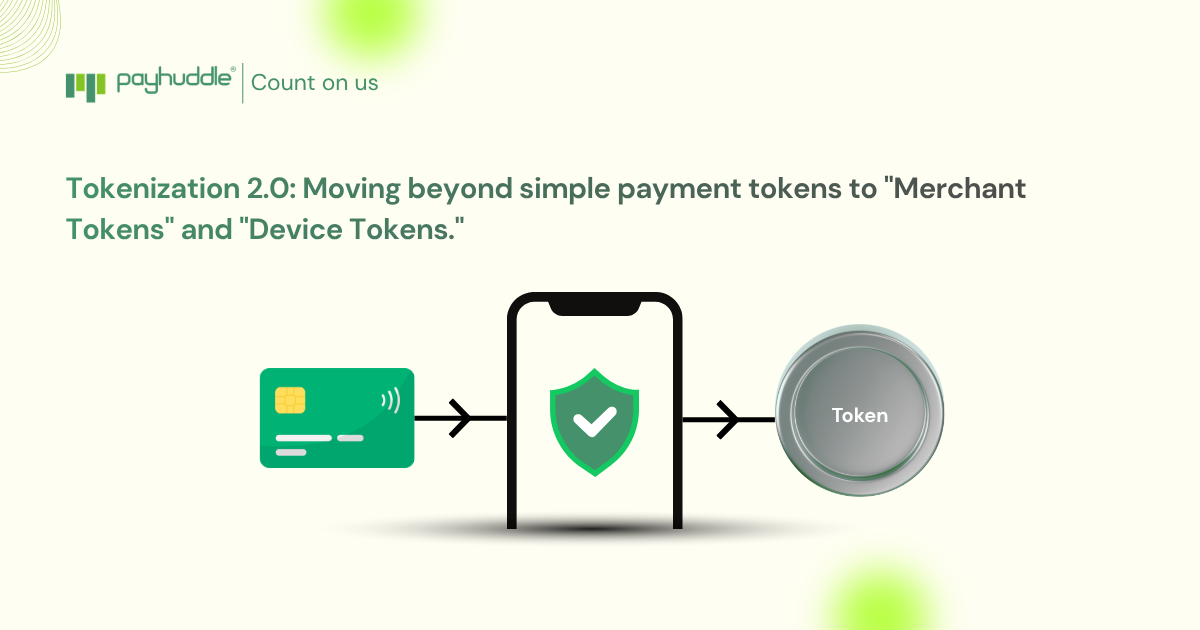
SRC creates an encrypted token that replaces the payment information. With tokenization, it is nearly impossible for hackers to access account information, giving consumers confidence to leave their card information on file. The token is specific to each merchant relationship, so even if a token is compromised at one merchant, it cannot be used elsewhere. Consumer SRC payment benefits here are significant compared to traditional card-on-file arrangements, where a single breach can expose card details that any merchant can use.
Additionally, using 3D Secure for authentication enhances transaction security. There will be parts where the cardholder has to verify their identity to access their profile and authenticate to complete the transaction. The version of 3DS used within SRC is designed to keep this step as invisible as possible for low-risk transactions, stepping up to a visible challenge only when the risk signals warrant it. Most consumers will complete an SRC checkout without encountering any additional authentication steps.
SRC adoption is ultimately a coordination problem. The technology is sound. The consumer SRC payment benefits are clear. The merchant SRC implementation path is well-defined. What is missing is the critical mass of participating merchants needed to make SRC a recognizable and trusted checkout option for consumers.
Payment networks, issuers, and SRC providers all have a role to play in building that critical mass. Networks need to make the onboarding process for merchants as frictionless as possible. Issuers need to ensure their cardholders are enrolled in SRC profiles so the experience works from day one. And SRC providers need to demonstrate to merchants that the integration investment pays off in measurable outcomes: lower abandonment rates, higher conversion rates, and fewer fraud-related chargebacks.
The Secure Remote Commerce online checkout has the potential to become the default way consumers pay online, much like chip and PIN became the default for in-person payments after the EMV migration. Getting there requires the same kind of coordinated push that EMV required. The technology alone will not drive adoption. The ecosystem has to move together.
For merchants on the fence, the question is not whether SRC will become the standard. The question is whether to be among the early adopters who shape the consumer experience.